


Honouring the Hunt, Protecting the Future.
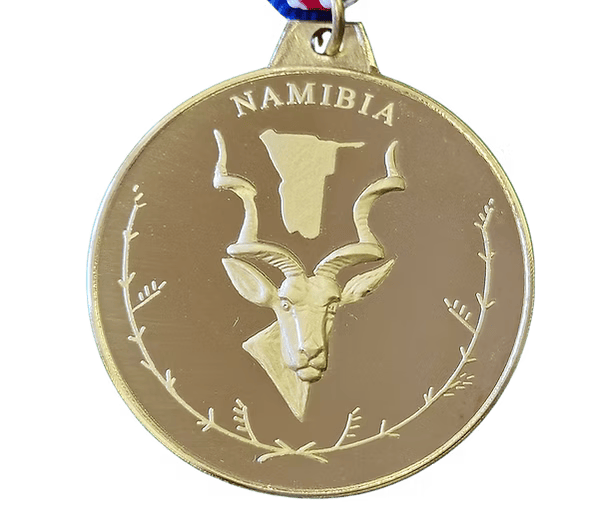
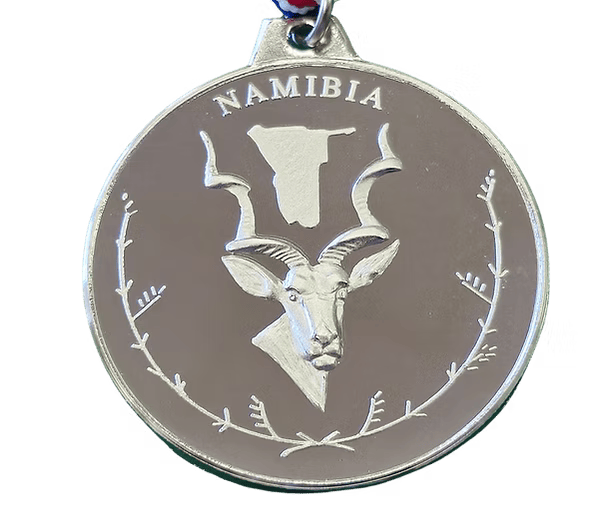
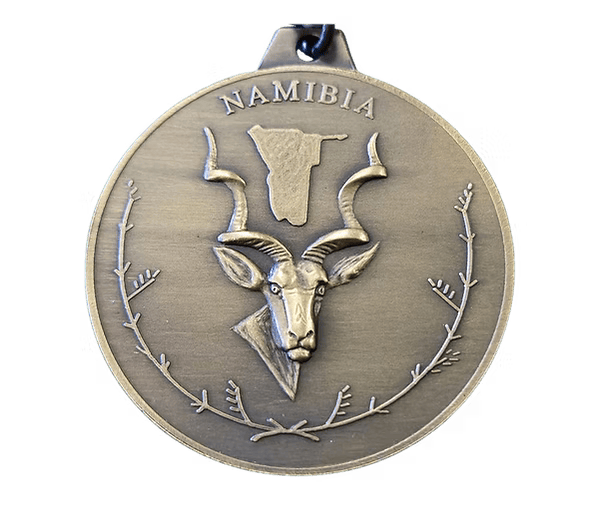
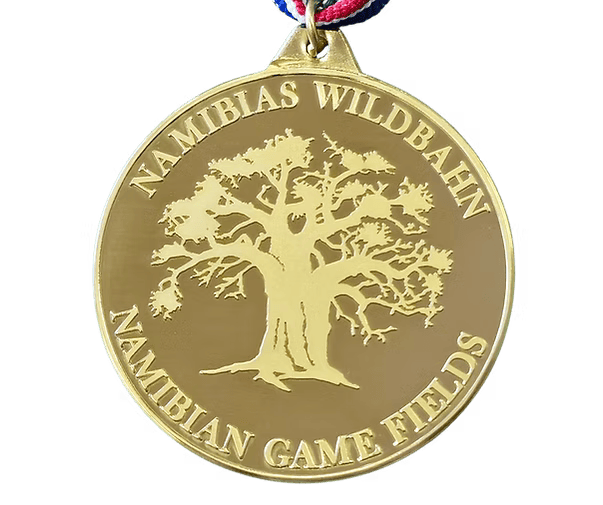
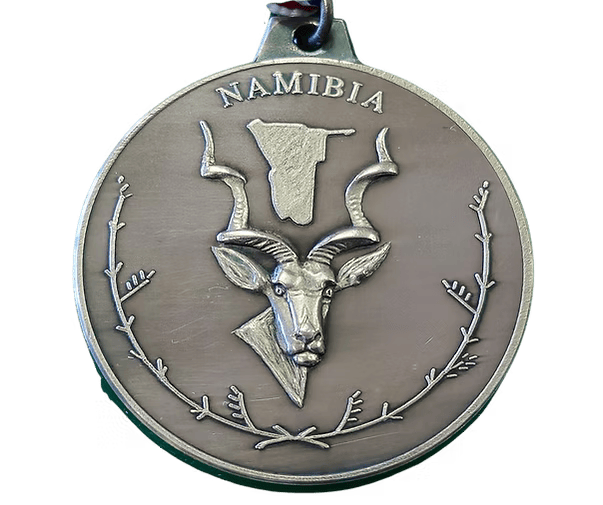
Every NAPHA medal tells a story—not merely of a successful hunt, but of respect for age, genetic sustainability, and the long-term health of Namibia’s wild populations. The Namibia Professional Hunting Association awards these medals to recognise hunters who practise selective, conservation-minded hunting rather than simply chasing the largest or most impressive trophies.
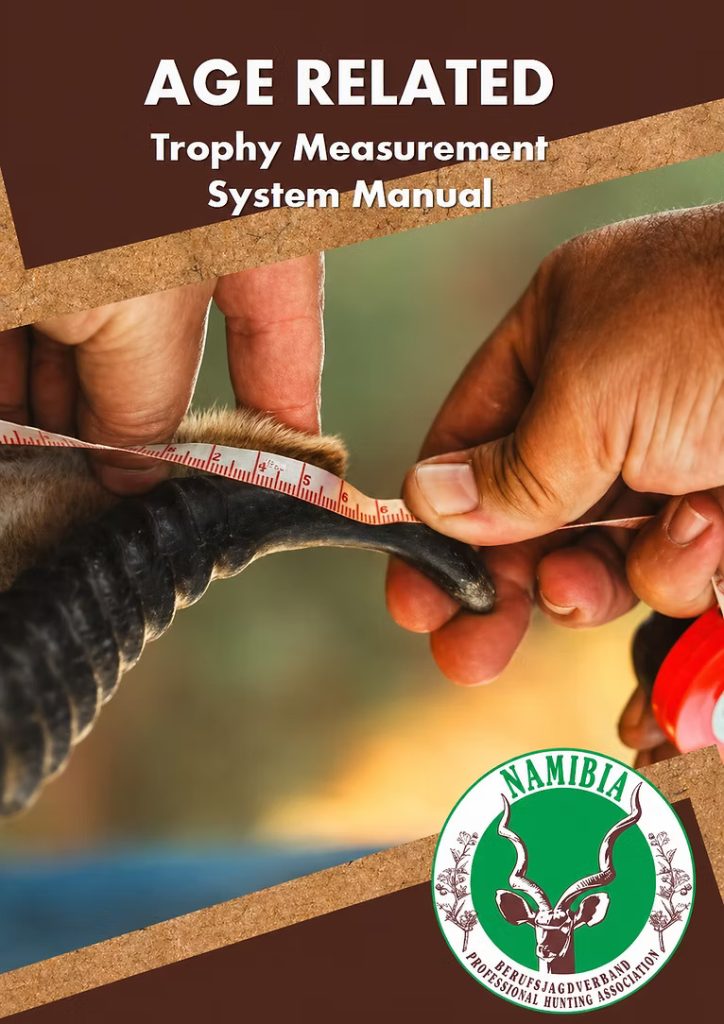
At the heart of the programme is the Age-Related Trophy (ART) Measurement System. This official standard deliberately shifts the focus away from pure size toward the maturity of the animal. ART encourages hunters to pursue older, post-prime animals that have already contributed their genes to the population. By discouraging the harvest of young or immature animals, the system helps maintain healthier, more sustainable wildlife populations and reduces pressure on the gene pool.
Age is assessed in practical classes—immature, prime, and past-prime—rather than exact years. Scoring centres on the length and base circumference of the longest horn or tusk, together with species-specific additional measurements where relevant. Worn, broken, or secondary-growth features on older animals are valued for both their conservation significance and their distinctive character.
Medals may be applied for after a safari by visiting the NAPHA office in Windhoek. Retroactive awards are also possible for earlier trophies, provided accurate measurements and full hunting details are supplied. Categories range from medals recognising high-standard mature trophies and exceptionally large past-prime specimens to the Conservation Medal, which is awarded for worn-down, deformed, or non-traditional trophy species such as zebra or baboon. A certificate-only option is also available in English or German.
A portion of medal proceeds supports NAPHA’s Hunters Support Education Nature Awareness Project and other initiatives that promote ethical hunting and environmental education. In this way, each medal serves both as personal recognition for the hunter and as a direct contribution to conservation and community programmes.
Namibia stands as one of Africa’s conservation success stories. Since the 1960s, wildlife numbers and diversity have more than doubled, with more than seventy percent of the country’s wildlife now occurring on private land. Carefully regulated selective hunting generates revenue that funds habitat protection, anti-poaching efforts, and community benefits, making it a practical form of applied conservation.
By choosing to hunt selectively and applying for a NAPHA medal, hunters become part of a larger story: one that values age over mere size, genetics over short-term gains, and the enduring wild heritage of Namibia for generations to come.