


January 9, 2019
January 8, 2025
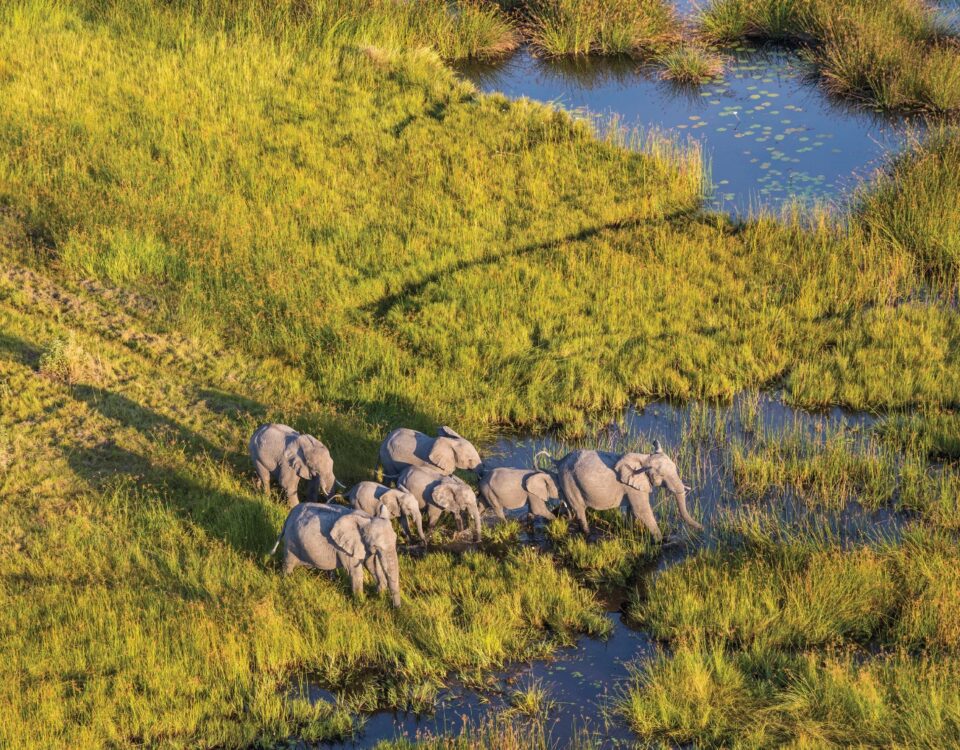
Robust, collaborative and driven by science. This is how you can describe the process that the Ministry of Environment, Forestry and Tourism (MEFT) has adopted to set quotas in communal conservancies. Richard Fryer, the Control Warden for Human-Wildlife Conflict and Conservation Hunting at MEFT, who manages this process, explains that they needed their quota-setting system to include a more robust process that could withstand scrutiny from anti-hunting critics.
January 8, 2025
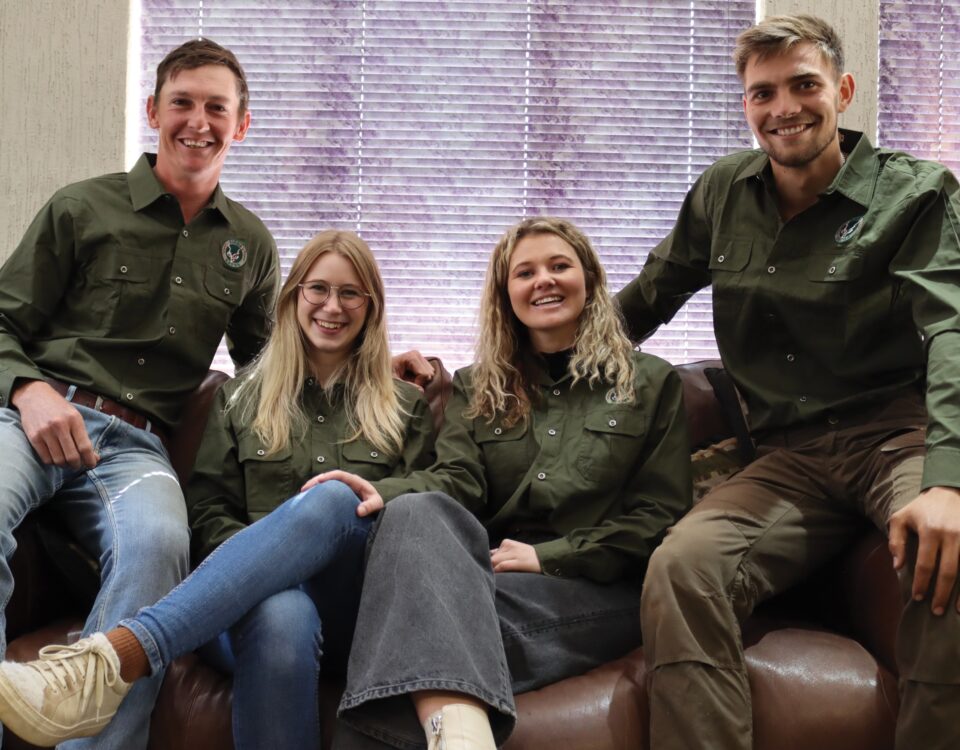
In the vast untamed landscapes of Namibia, hunting is more than just a sport. It is a tradition, a way of life that connects us deeply with the land. The Young Hunters Committee of Namibia carries the responsibility and honour of safeguarding this legacy for future generations.
January 10, 2025
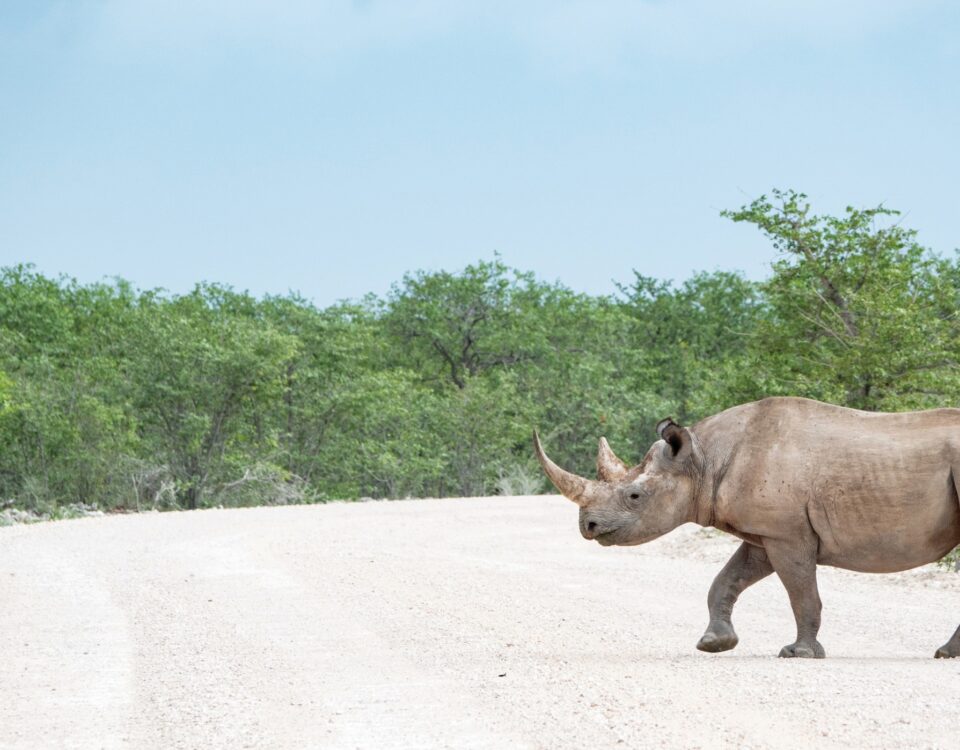
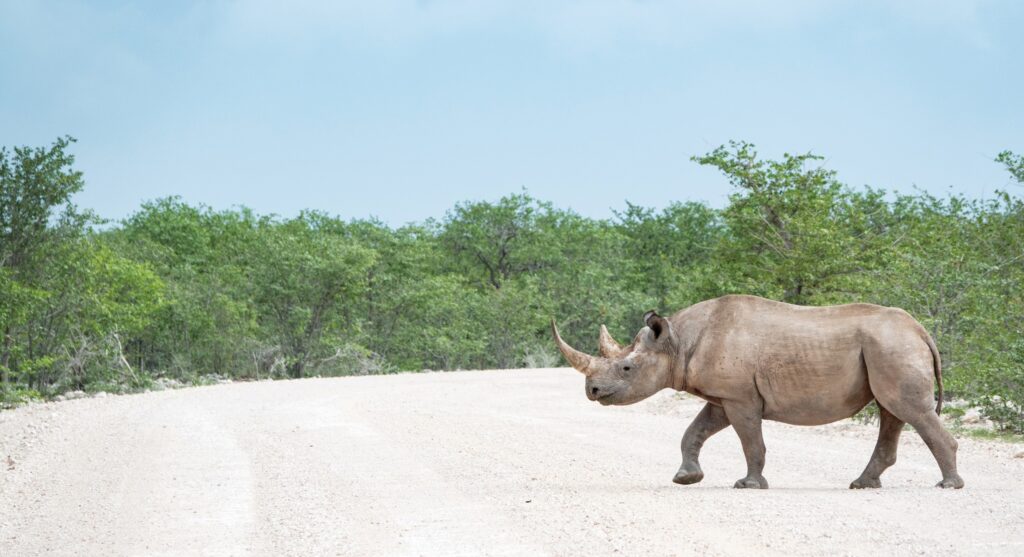
Another Namibian conservation success story is that of the Black Rhino Custodianship Program. This initiative has achieved unparalleled success, resulting in significant population growth and allowing for regulated trophy hunting of older bulls. Kirsty Watermeyer
January 10, 2025
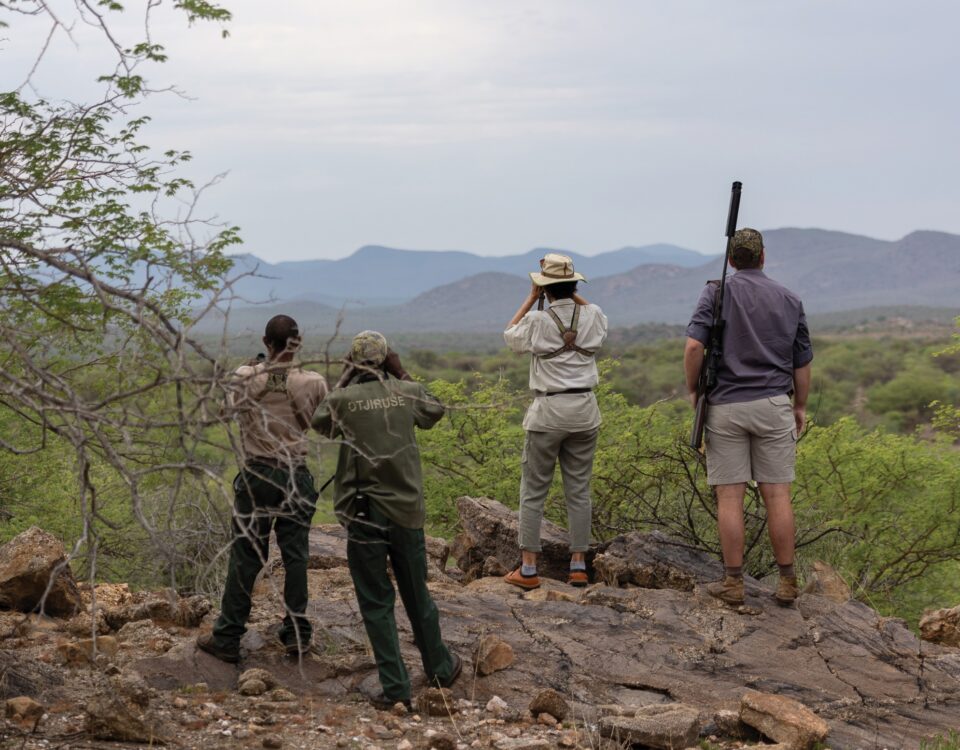
Having grown up in Namibia, surrounded by its rugged landscapes and abundant wildlife, I have always been a nature lover and conservation enthusiast. This love is what guided my life toward the path of storytelling, with a focus on travel, tourism, conservation and, of course, hunting. As the editor of a hunting magazine that celebrates responsible hunting practices, it felt only right that I should experience a proper trophy hunt firsthand.
January 10, 2025
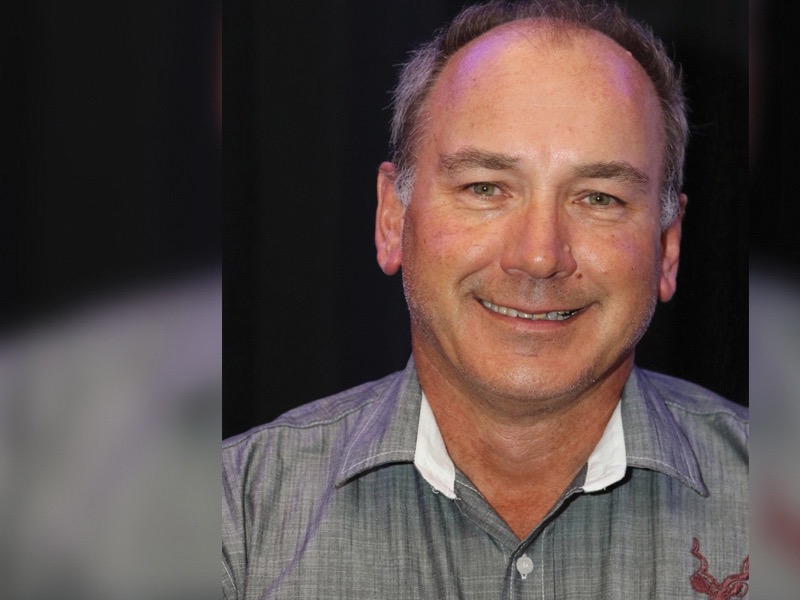
Royston Wright, a devoted conservationist and stalwart of sustainable hunting, passed away unexpectedly on 4 February 2024, leaving behind a legacy of education, passion and commitment to Namibia’s wildlife. For over 20 years, Royston made an indelible mark on the conservation and hunting community through his work with SCI International, SCI Alaska, the Namibia Tourism Board and the Namibia Professional Hunting Association (NAPHA)
January 10, 2025
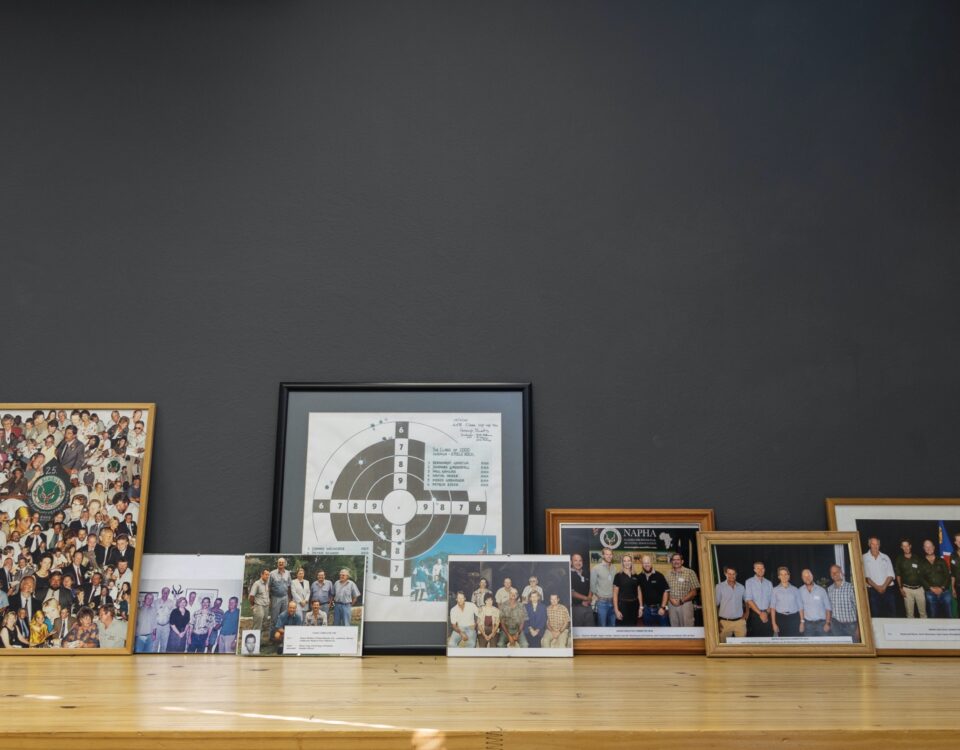
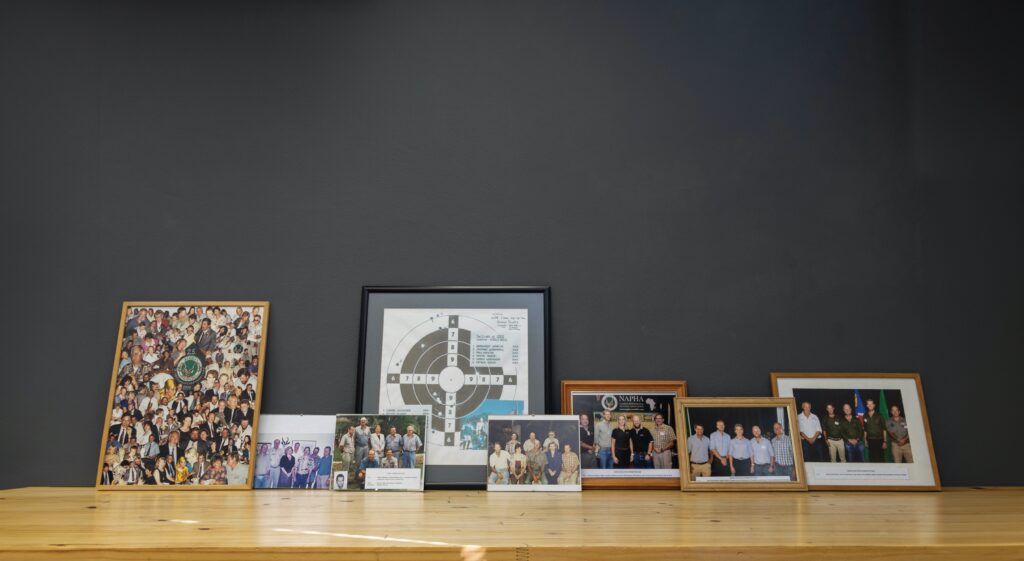
For fifty years, the Namibia Professional HuntersAssociation (NAPHA) has stood as a beacon of ethical hunting, conservation and community. This golden anniversary marks a significant milestone on a journey defined by dedication to the land, respect for wildlife and the preservation of Namibia’s unique hunting heritage.
January 10, 2025
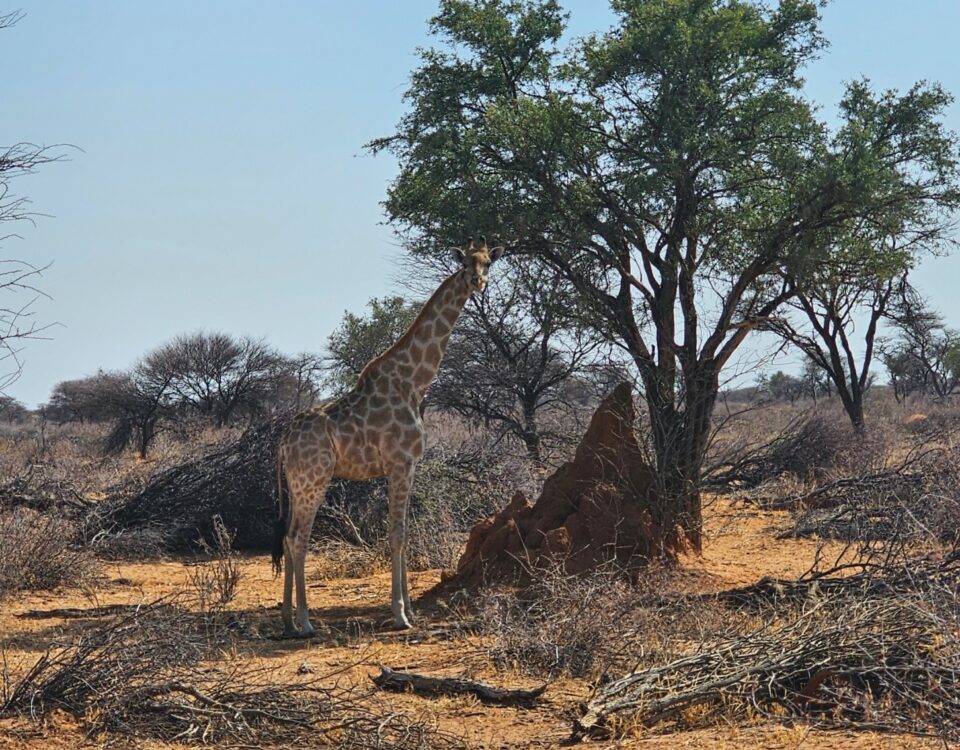
Every accolade credited to Africa is well earned. Perhaps William Burchell’s thought most accurately sums them all up: “Nothing but breathing the air of Africa, and actually walking through it, can communicate the indescribable sensations.” Words are a paltry attempt to raise images of buffalo charging out of the reeds or burning sunsets beyond brilliance in the minds of those who have not been favoured to set foot on the continent.
December 3, 2025
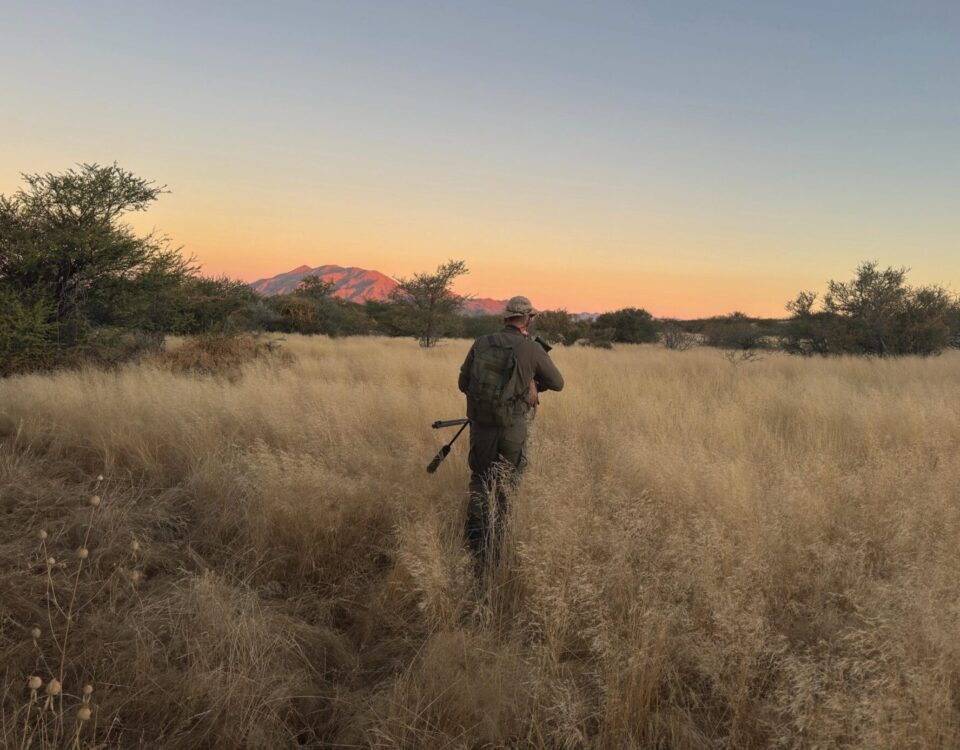
Experiencing intense moments in nature, embracing physical exertion and deprivation as a challenge in order to come to know hunting in a way that is rarely possible in today’s hunting grounds in Germany. This was the motivation for my hunting companion Holger and me to travel to Namibia.
December 3, 2025
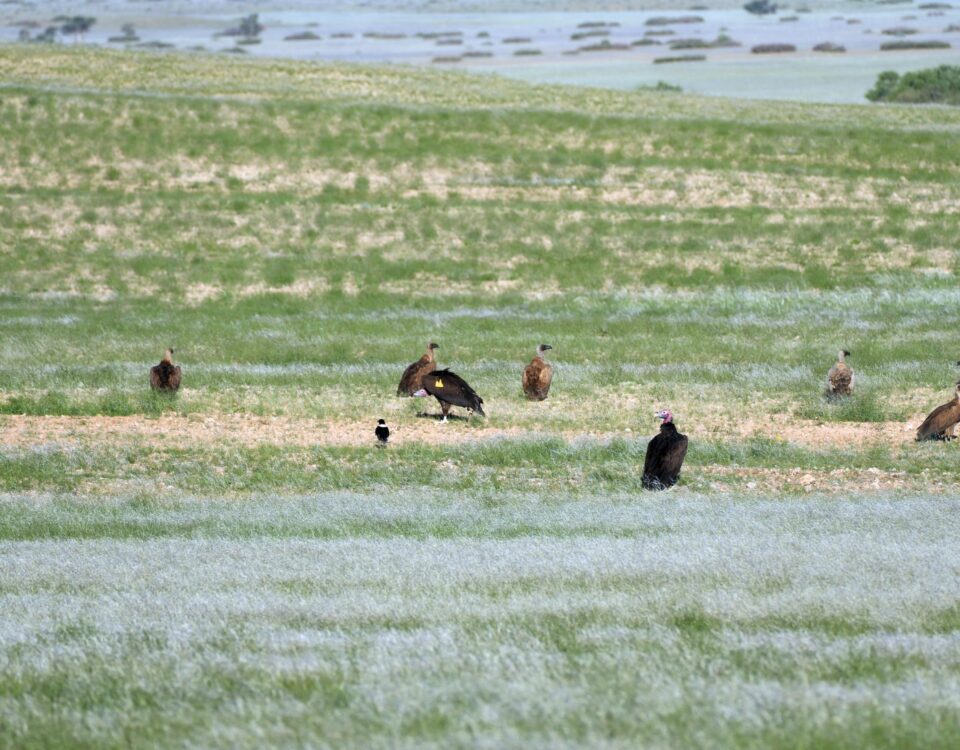
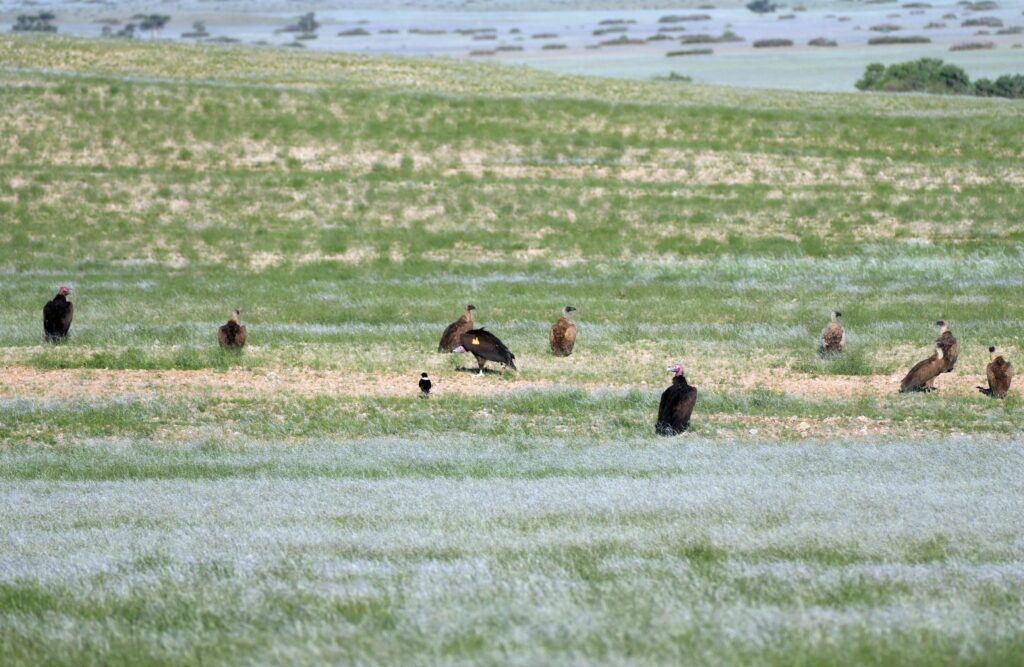
White-backed Vulture J151 should be an ambassador for Namibia to become the first African country to ban lead ammunition for the benefit of nature and humans. All vulture species known in Namibia are either extinct as breeding species (Egyptian Vulture), critically endangered (Cape Vulture), endangered (Hooded Vulture, White-backed Vulture) or vulnerable (Lappet-faced Vulture, Whiteheaded Vulture). Numerous factors have led to the decline of the vulture populations in Namibia, in the region and in Africa in general. Habitat loss, disturbance, poisons and illegal killing are the main reasons. Lead-poisoning through ammunition has only recently been discovered as another dangerous factor leading to the decrease of these valuable birds.
December 3, 2025
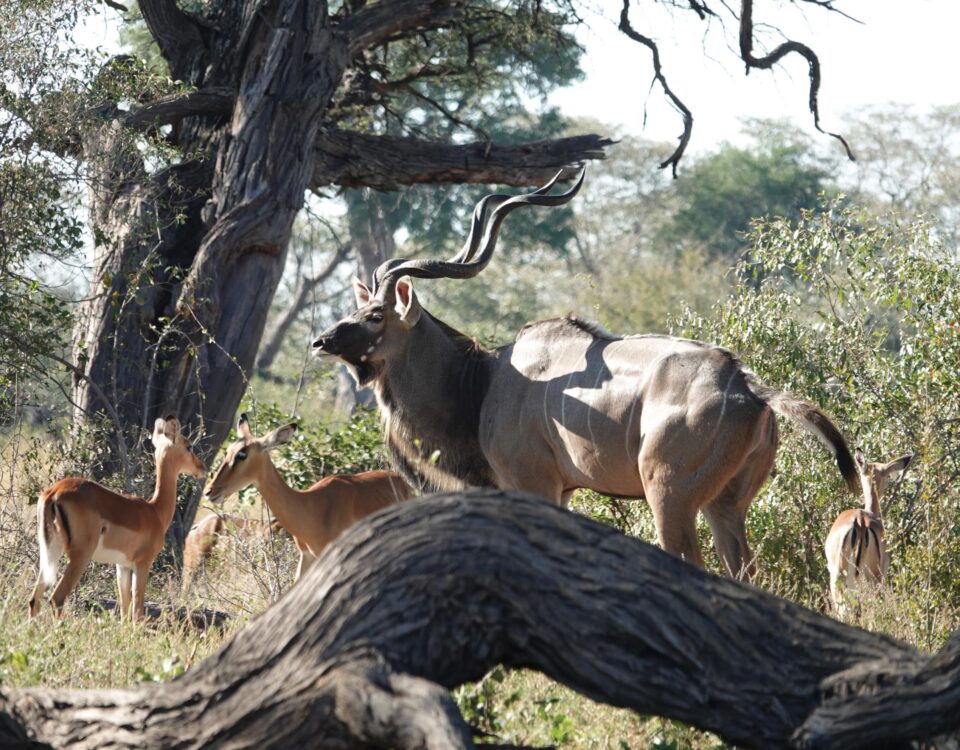
Sometimes you hear someone speak and their words settle deep inside you, reshaping the way you see the familiar. That happened to me when I listened to Kai-Uwe Denker’s reflections on hunting in Namibia at the previous NAPHA AGM. His words were not polished marketing talk, nor defensive arguments about why hunting matters. Instead, he spoke about wilderness, authenticity, and what it really means to portray Namibia to the world.
December 3, 2025
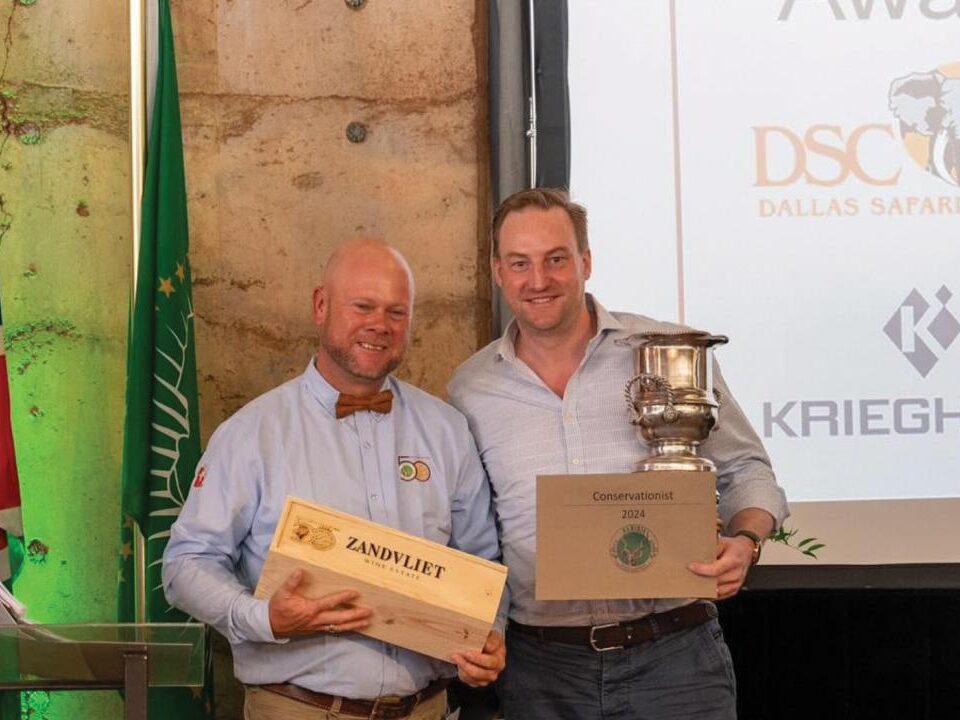
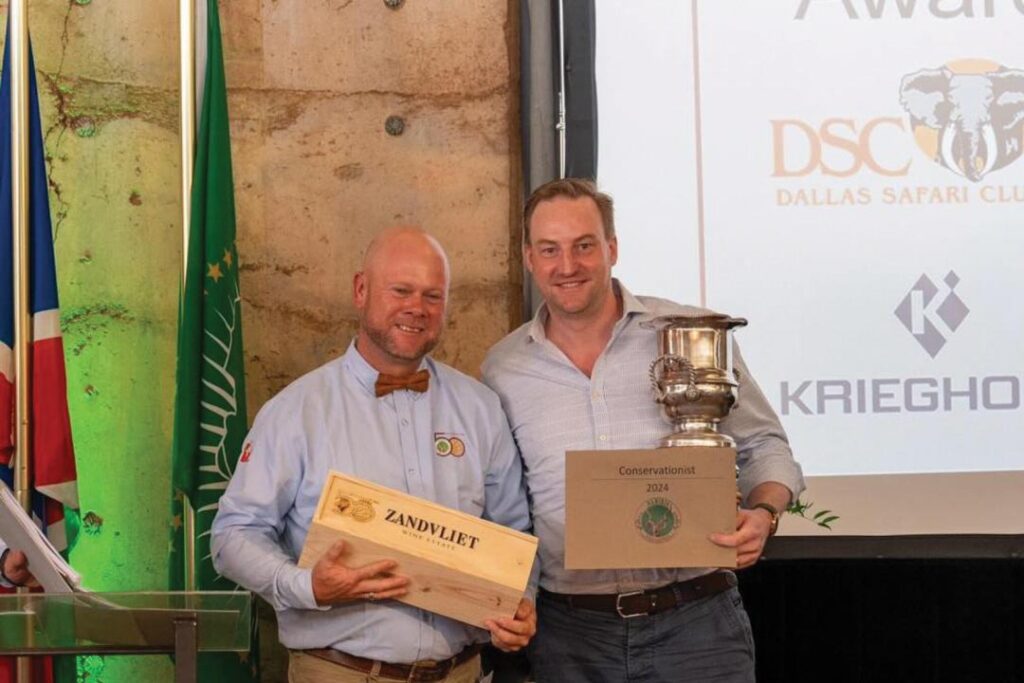
In a world where the balance between wildlife conservation and human progress grows ever more delicate, it takes exceptional conviction to defend nature’s most pragmatic truths. Few embody this balance more steadfastly than Dr Clemens von Doderer, the 2024 recipient of the Namibian Professional Hunting Association’s Conservationist of the Year award.
December 3, 2025
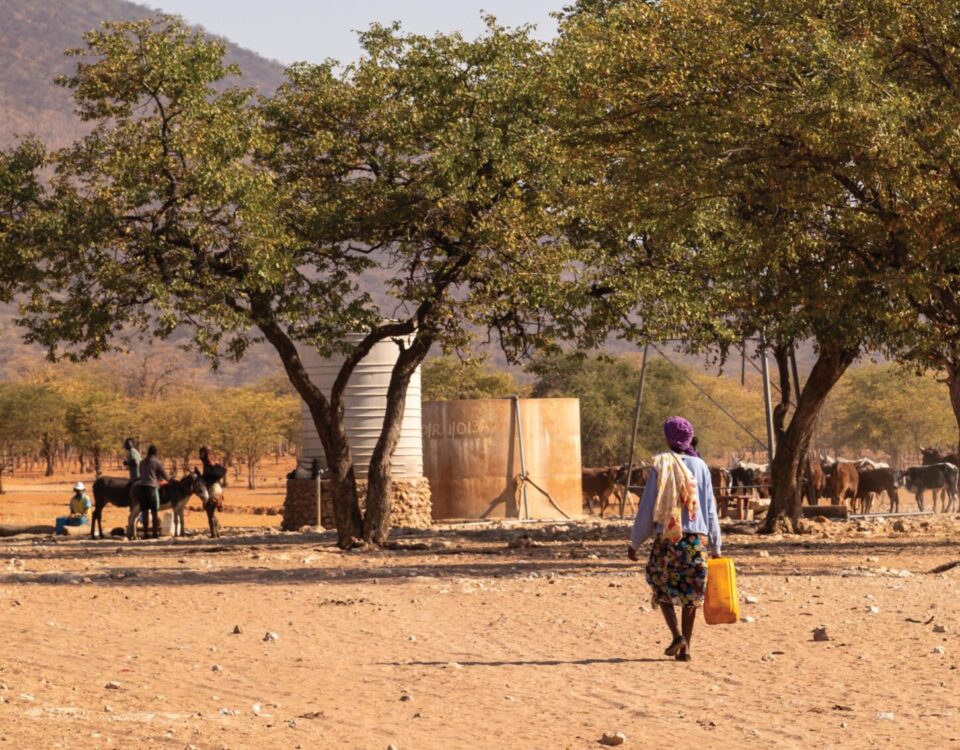
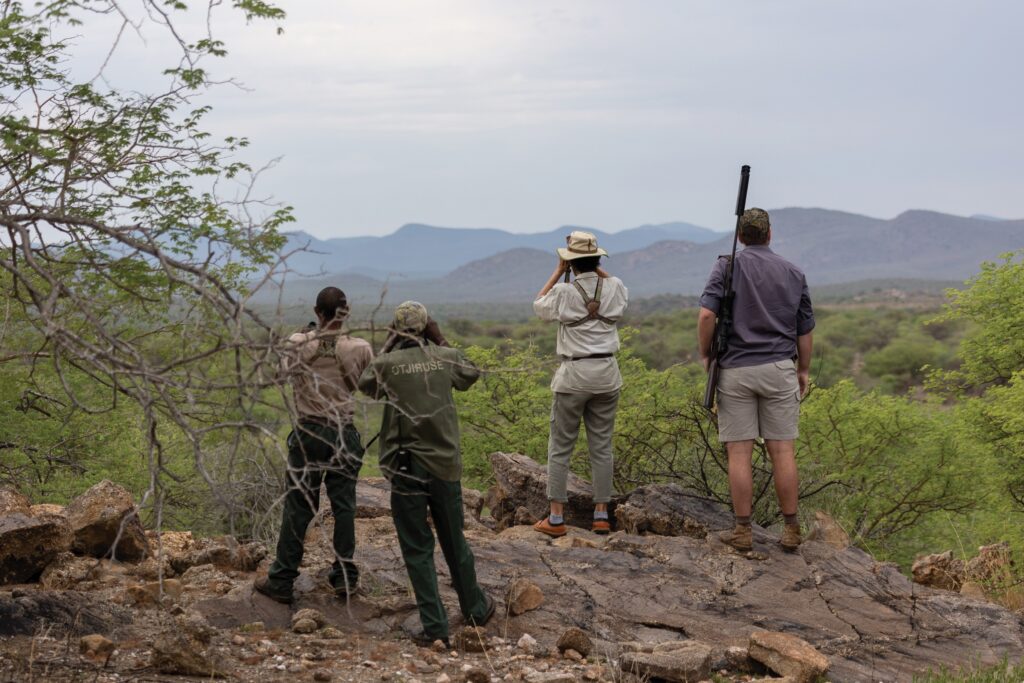
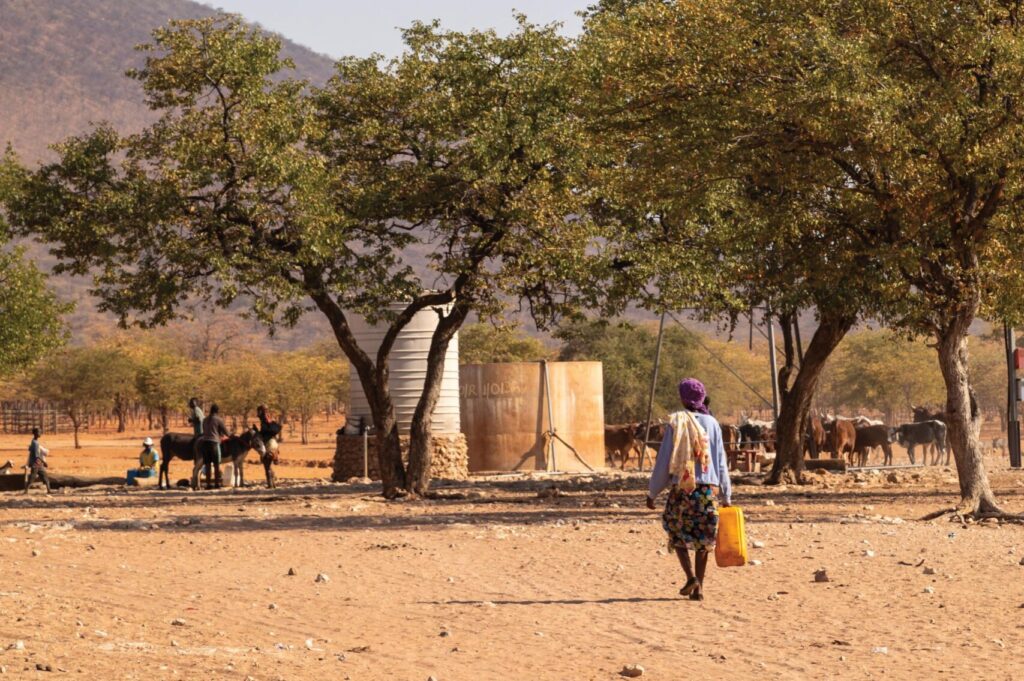
From the rural reaches of Namibia’s expansive wilderness to the often monotonous moments spent collating data at a cluttered desk, Richard Freyer’s work rarely follows a routine. As a Control Warden with the Ministry of Environment, Forestry and Tourism (MEFT), Freyer is part of a team tasked with maintaining one of Namibia’s most delicate balances: conserving wildlife while supporting the people who live alongside it. Each year, Freyer contributes to setting wildlife quotas, a cornerstone of sustainable resource management in the country. These quotas are not arbitrary numbers: they are based on field data, aerial surveys and close cooperation with all 86 communal conservancies in Namibia. This annual process then determines quotas for the next threeyear cycle.
December 3, 2025
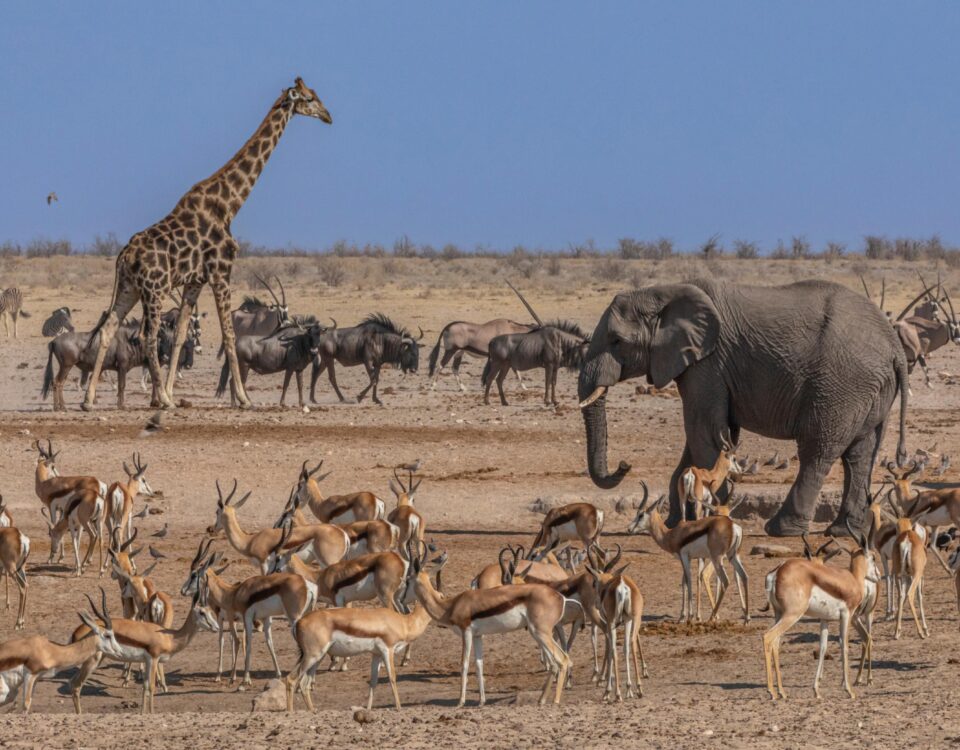
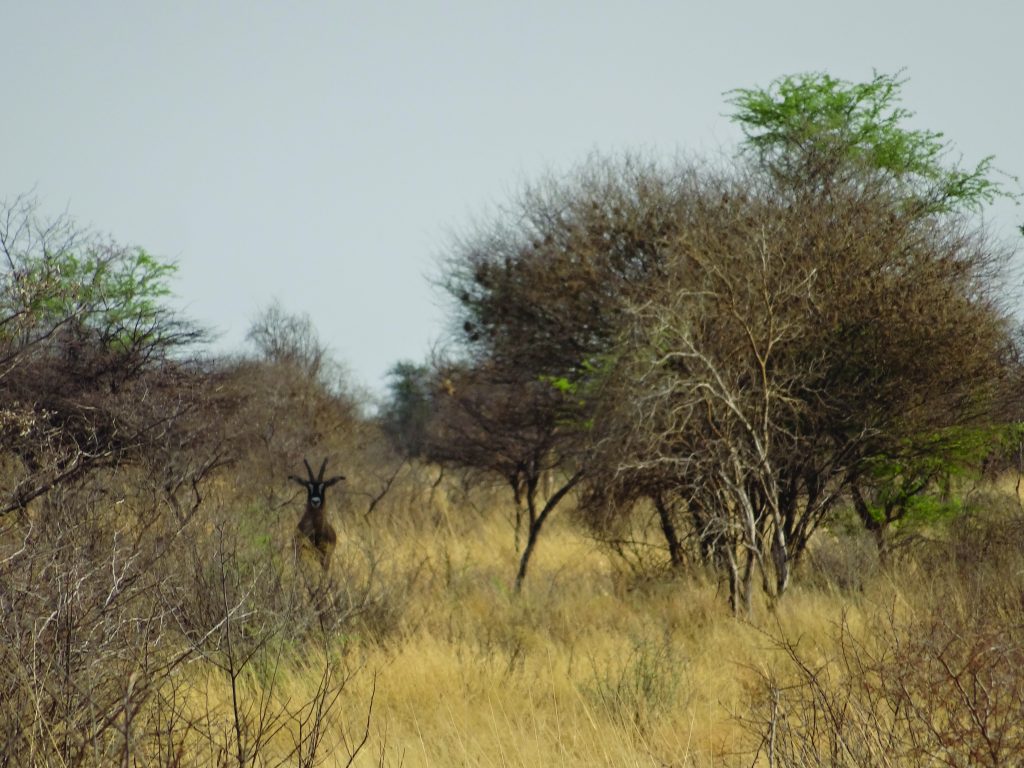
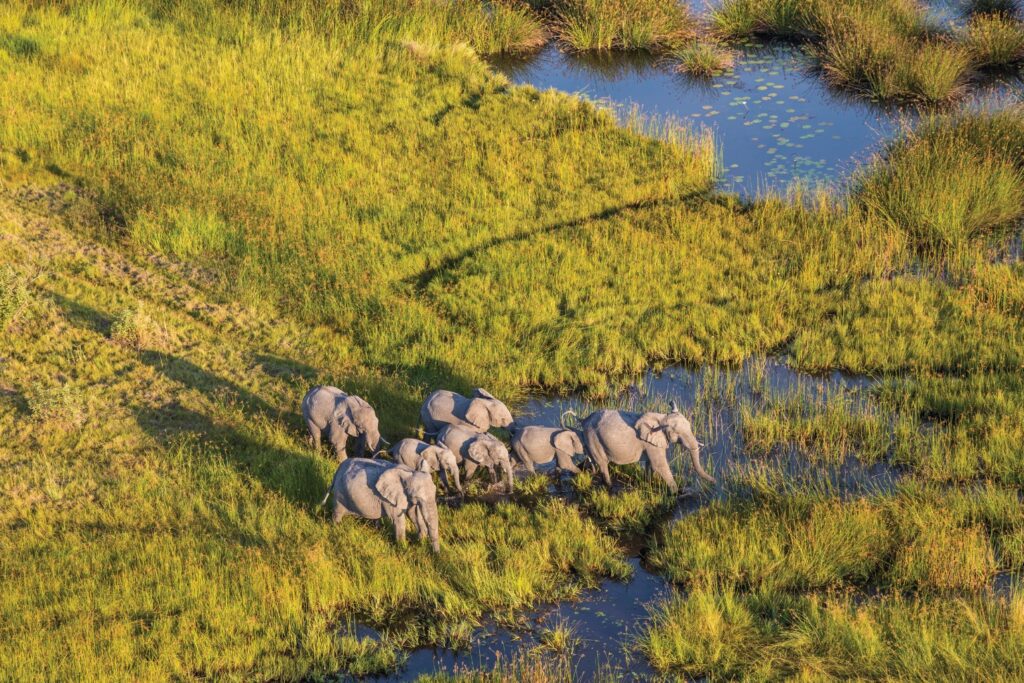
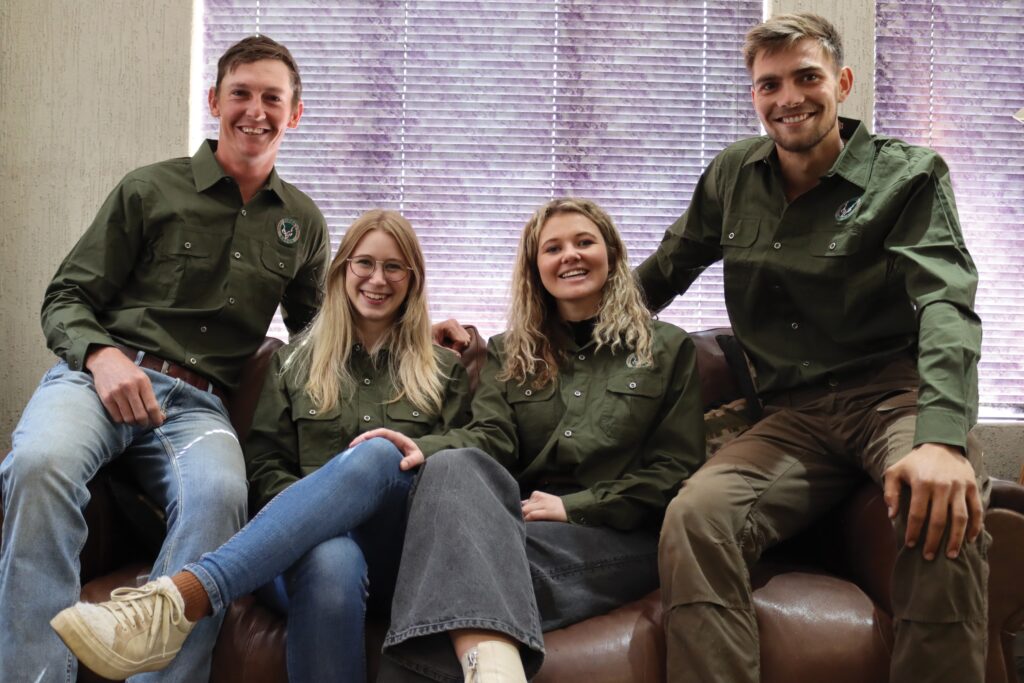
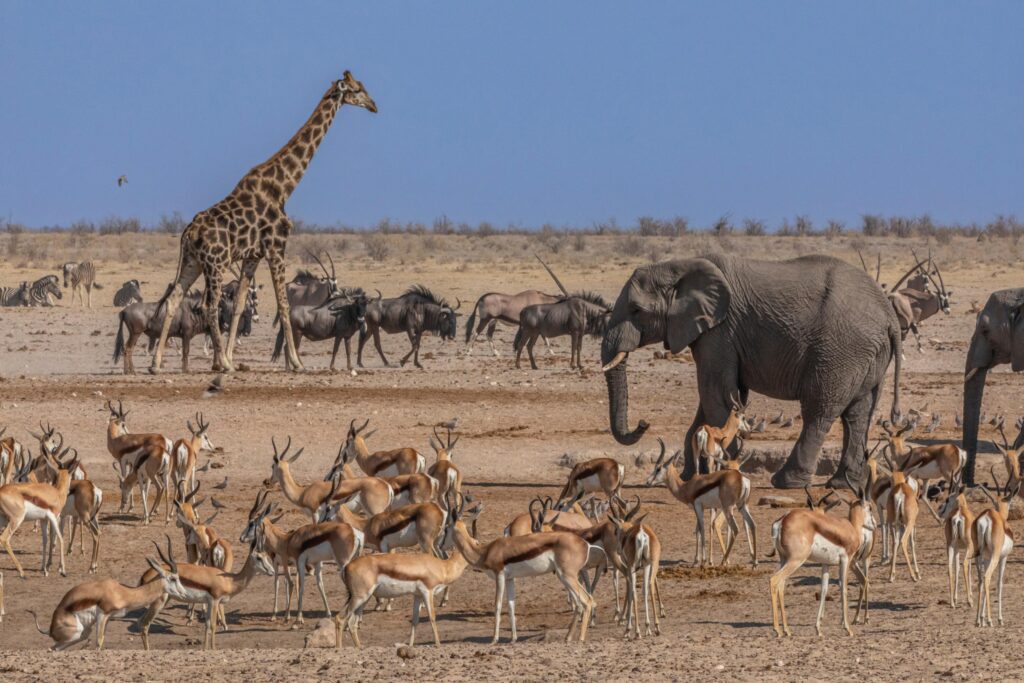
Namibia’s hunting community stands at a pivotal juncture. For five decades, professional hunters, trackers, operators, conservancies and rural partners have protected wildlife and ensured that land remains dedicated to conservation. Our model, grounded in ethical hunting and sustainable use, is recognised worldwide as one of the most successful conservation systems. Yet today, we face increasing external pressure from anti-hunting activists, misinformation campaigns, international policy interference and transport restrictions. These groups present a united front and do not distinguish between ethical and unethical hunting, between a conservancy and a freehold farm, or between a professional hunter and a conservation biologist. Their aim is absolute: to end hunting entirely.